Macronutrients: Carbohydrates, Proteins, and Fats
The body needs energy and building blocks from food, and these come from three main macronutrients: carbohydrates, proteins, and fats. Each plays a distinct role in keeping your family healthy, and a balanced diet includes them in the right proportions.
The Dietary Guidelines for Americans emphasize a healthy dietary pattern at every life stage, rather than focusing on any single nutrient. This pattern includes a variety of vegetables, whole fruits, whole grains, dairy, and protein foods, along with oils. For most families, getting macronutrients from these food groups is more important than hitting precise percentages.
Structured around a healthy plate, you might think of carbohydrates as the body's preferred fuel, found in grains, fruits, and vegetables. Proteins support growth and repair, coming from lean meats, poultry, seafood, eggs, beans, peas, lentils, nuts, seeds, and soy products. Fats, including oils, nuts, and avocados, help absorb vitamins and support brain health—especially important for kids.
- Choose complex carbohydrates like whole grains, beans, and starchy vegetables for steady energy and fiber.
- Aim for a variety of protein sources throughout the week, including plant-based options.
- Include healthy fats from oils, nuts, seeds, and avocados, while limiting saturated fat to less than 10% of daily calories.
- Balance your plate so that fruits and vegetables fill half, grains and protein each fill a quarter, and dairy (or a fortified soy alternative) sits on the side.
Sources: U.S. Department of Agriculture and U.S. Department of Health and Human Services, Mayo Clinic
Micronutrients: Vitamins and Minerals That Matter
While macronutrients provide energy and structure, micronutrients—vitamins and minerals—are essential for countless bodily functions, from bone health to immune support. A diet rich in nutrient-dense foods naturally supplies most of the vitamins and minerals your family needs.
The Dietary Guidelines stress choosing nutrient-dense foods and beverages while staying within calorie limits. This means picking foods that pack a lot of nutrition for their calories, like colorful vegetables, fruits, whole grains, lean proteins, and dairy. By prioritizing these, you help your family get enough iron, calcium, vitamin D, and other key micronutrients without needing supplements.
For example, vitamin A supports vision and immunity; you can get it from carrots, sweet potatoes, and leafy greens. B vitamins help release energy from food, and are found in whole grains, meat, and eggs. Vitamin C from citrus and other fruits helps with iron absorption. Minerals like zinc, important for growth and immune function, come from meats, nuts, and seeds, while magnesium, needed for many bodily processes, is found in nuts, whole grains, and leafy vegetables.
- Include a variety of colorful fruits and vegetables to cover different vitamins and minerals.
- Choose whole fruits more often than juice to get fiber and more nutrients.
- Include dairy or fortified soy alternatives for calcium and vitamin D.
- For iron, combine plant sources like beans or lentils with vitamin C-rich foods to boost absorption.
- The best way to meet micronutrient needs is through a balanced diet, not a pill—supplements are not a substitute for eating well.
Sources: U.S. Department of Agriculture and U.S. Department of Health and Human Services, Linus Pauling Institute, Oregon State University
The Plate Method for Balanced Meals
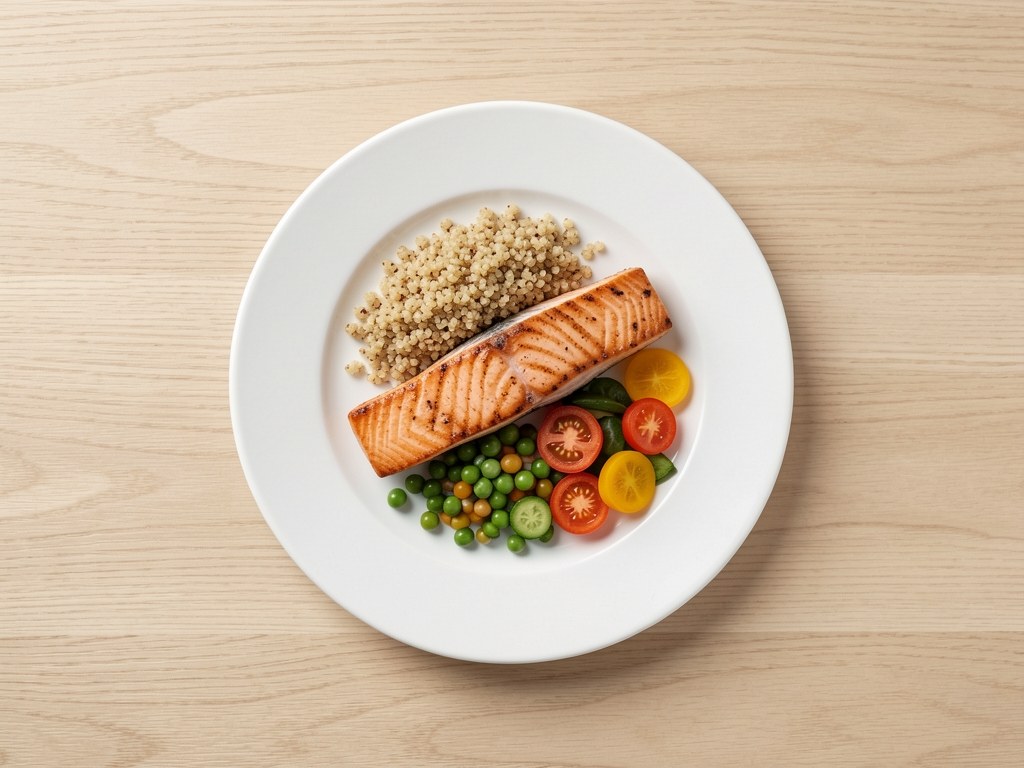
The Plate Method, popularized by the USDA's MyPlate, is a simple visual tool to help you build balanced meals without weighing or measuring. It’s grounded in evidence-based recommendations that emphasize balance, variety, and proportion.
Imagine your dinner plate divided into sections: fill half with vegetables and fruits, one quarter with whole grains (like brown rice or whole-wheat pasta), and one quarter with protein (such as chicken, fish, beans, or tofu). Add a serving of dairy—like a glass of milk or a cup of yogurt—on the side, and you’ve got a balanced meal. This method works for lunch and dinner, and you can adapt it for breakfast and snacks too.
- Half your plate: vegetables and fruits—aim for a colorful mix.
- One quarter: whole grains—make at least half your grains whole.
- One quarter: protein—vary your choices to include fish, beans, and lean meats.
- On the side: dairy or a fortified soy alternative, such as milk or yogurt.
- Use this model for any meal and adjust portion sizes for different ages and appetites.
Sources: Mayo Clinic
Serving Sizes and Portions for Different Ages
One of the trickiest parts of family meal planning is figuring out how much each person needs, especially when ages range from toddlers to teens and adults. Serving sizes vary by age, sex, and activity level, and the Plate Method is a helpful starting point because it automatically scales to the plate size.
The Dietary Guidelines encourage a healthy eating pattern at every life stage, meaning children need smaller portions that grow as they do. For young children, a smaller plate—like a salad plate—filled with the same proportions works well. Older children and teenagers often need larger portions, especially during growth spurts, and active adults may need more than someone less active.
Instead of measuring everything, use visual cues. For protein, a serving about the size of a deck of cards or the palm of your hand is a rough guide. For grains, a serving is about a fist-sized portion. For fruits and vegetables, half the plate is a clear target. Dairy side portions can be a cup of milk or yogurt for most older kids and adults.
- Toddlers (ages 2-3): Build meals with smaller portions—about 1/4 to 1/3 of adult portions of each food group.
- Children (ages 4-8): Use the Plate Method with a small or medium plate, ensuring balanced portions.
- Preteens and teens (ages 9-18): Larger plates and portions are often needed to support growth and activity.
- Adults: Use the Plate Method, but adjust total calories based on activity level and health goals.
- Remember that children have lower sodium limits than adults, so choose low-sodium options when cooking and purchasing packaged foods.
Sources: U.S. Department of Agriculture and U.S. Department of Health and Human Services, Linus Pauling Institute, Oregon State University
Designing a Weekly Balanced Menu
Once you understand the components of a balanced plate, planning a week of meals becomes easier. The goal is to provide variety and cover the food groups while keeping meals practical and enjoyable for everyone.
Start by planning dinners using the Plate Method, and then work in breakfast, lunch, and snacks. For each meal, think about how you can include vegetables, fruits, whole grains, protein, and dairy. You don’t need to hit every group at every meal, but aim for a balanced day overall.
For busy weeknights, keep quick staples like whole-wheat pasta, frozen vegetables, canned beans, and pre-cooked grains on hand. Batch-cook grains or proteins on the weekend to assemble meals faster. A weekly menu doesn’t have to be rigid—leave room for leftovers and family preferences.
- Monday: Baked chicken breast, quinoa, and roasted broccoli with a side of milk.
- Tuesday: Turkey chili with beans over brown rice, topped with cheese and a side salad.
- Wednesday: Whole-wheat spaghetti with marinara sauce and lean ground turkey, plus a side of mixed vegetables.
- Thursday: Grilled salmon, sweet potato wedges, and sautéed spinach, with yogurt for dessert.
- Friday: Vegetable stir-fry with tofu and brown rice, served with a glass of milk.
- Include fruit at breakfast and as snacks, and try to make at least half your grains whole.
- Use leftovers for lunch or repurpose them into a new dish to save time.
Sources: Mayo Clinic
Reading Nutrition Labels Confidently
Understanding nutrition labels helps you make informed choices at the grocery store, especially when comparing packaged foods. The label provides information on calories, nutrients, and serving sizes that can guide your decisions.
Start by looking at the serving size—the amounts listed apply to that serving, and you may need to adjust if you eat more or less. Use labels to identify foods lower in added sugars, saturated fat, and sodium, and higher in fiber, vitamins, and minerals.
The Dietary Guidelines recommend limiting added sugars to less than 10% of daily calories for ages two and older, so check the 'Added Sugars' line. Similarly, aim for foods with lower percentages of the Daily Value for saturated fat and sodium. Since children have lower sodium limits than adults, be especially careful with packaged snacks and condiments.
- Always check serving size first—the package may contain multiple servings.
- Choose foods with higher %DV for fiber, calcium, iron, and vitamin D.
- Pick products with lower %DV for added sugars, saturated fat, and sodium.
- For children under 14, sodium limits are lower than the adult limit of 2,300 milligrams per day, so be mindful.
Sources: U.S. Department of Agriculture and U.S. Department of Health and Human Services, Linus Pauling Institute, Oregon State University
Frequently asked questions
How much protein do children really need?
Protein needs vary by age, sex, and activity level, so there is no single number that fits every child. The key is to include a variety of protein foods throughout the day—such as lean meats, poultry, eggs, beans, lentils, and dairy—and let the Plate Method guide portions. Filling about a quarter of the plate with protein foods at meals is a practical approach that works for most children, and their appetites are a good guide.
Sources: U.S. Department of Agriculture and U.S. Department of Health and Human Services, Linus Pauling Institute, Oregon State UniversityCan a balanced diet include treats?
Yes, absolutely. The Dietary Guidelines suggest that most of your calories should come from nutrient-dense foods, which leaves room for some extra calories from treats and other less-nutritious choices. The key is to keep added sugars to less than 10% of daily calories (for ages 2 and older) and to limit saturated fat and sodium as well, but occasional sweets or snacks can fit within an overall balanced eating pattern.
Sources: U.S. Department of Agriculture and U.S. Department of Health and Human Services, Mayo ClinicWhat are the best sources of healthy fats for kids?
Healthy fats are important for a child's growth and brain development. Excellent sources include fatty fish like salmon, avocados, nuts and seeds (including nut butters), and oils such as olive or canola oil. These provide unsaturated fats that support heart health. Dairy and eggs also contribute beneficial fats. Aim to limit saturated fat to less than 10% of daily calories by choosing lean meats and using oils instead of butter or lard.
Sources: U.S. Department of Agriculture and U.S. Department of Health and Human ServicesDo vitamin supplements replace balanced meals?
No. Supplements are not a substitute for a balanced diet. The Dietary Guidelines emphasize that nutrient needs should be met primarily through food, because foods provide a complex mix of nutrients that work together for good health. While some children may need specific supplements, such as vitamin D or iron, when recommended by a pediatrician, supplements cannot make up for a diet lacking in variety and nutrient-dense foods. The best approach is to offer a wide range of wholesome foods every day.
Sources: U.S. Department of Agriculture and U.S. Department of Health and Human Services, Linus Pauling Institute, Oregon State UniversityHow do I ensure my child gets enough iron?
Iron is essential for cognitive development and carrying oxygen in the blood. To help your child get enough, serve iron-rich foods daily. Heme iron comes from meat, poultry, and fish, while non-heme iron is found in beans, lentils, tofu, spinach, and fortified grains. Pair plant-based iron with vitamin C—like oranges, strawberries, or tomatoes—to boost absorption. For example, add strawberries to a spinach salad or serve beans with salsa. If you're concerned about iron deficiency, talk to your pediatrician.
Sources: Linus Pauling Institute, Oregon State UniversitySources
- Dietary Guidelines for Americans, 2020-2025 — U.S. Department of Agriculture and U.S. Department of Health and Human Services
- Dietary Guidelines for Americans, 2025–2030 — U.S. Department of Agriculture and U.S. Department of Health and Human Services
- Nutrition for kids: Guidelines for a healthy diet — Mayo Clinic
- Children | Linus Pauling Institute | Oregon State University — Linus Pauling Institute, Oregon State University