How to Set a Realistic Food Budget for Your Family
Before you can plan meals, you need a clear picture of what you can spend on food each month. A helpful starting point is the USDA Thrifty Food Plan, which provides a national benchmark for a low-cost, nutritious diet.
To set your own number, begin by tracking your current grocery and takeout spending for a month. Then look for ways to redirect money from convenience purchases into your grocery budget. Aim for a budget that feels doable and leaves room for small treats, so you don't feel deprived.
- Start with a realistic baseline: the USDA Thrifty Food Plan offers a guide for a family of four, but adjust to your situation.
- Include all food purchases, not just groceries, when calculating your total food budget.
- Review your spending monthly and adjust as needed, particularly when food prices change.
- Involve your family in the budgeting process so everyone understands the goal of eating well without overspending.
Sources: National Center on Health, Physical Activity and Disability (NCHPAD)
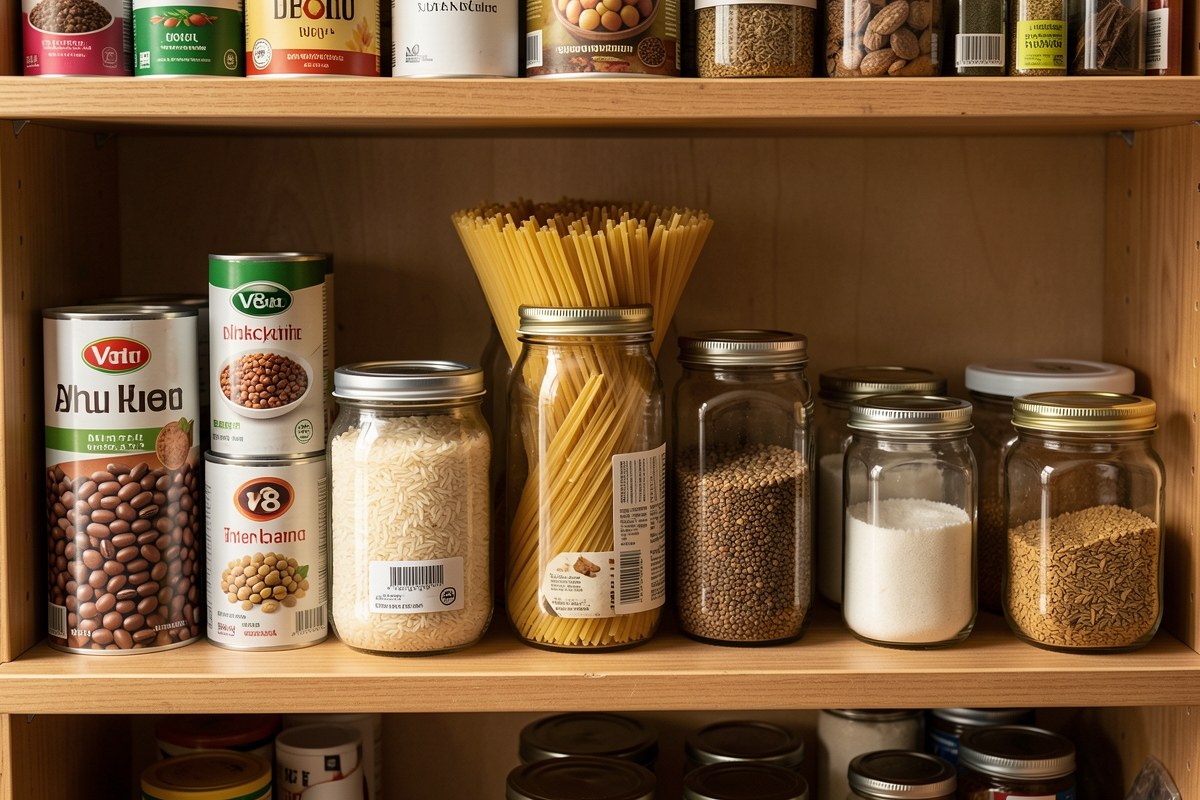
Economical Pantry Staples That Make Balanced Meals Easy
A well-stocked pantry is the backbone of budget-friendly meal planning. When you have versatile staples on hand, you can throw together balanced meals without running to the store or resorting to costly takeout. Focus on items that are nutritious, cheap, and have a long shelf life.
Beans and lentils are standout choices: they are inexpensive, rich in protein and fiber, and can be used in soups, stews, salads, and dips. Rice, pasta, and oats fill out meals and are very economical, especially when bought in bulk. Canned tomatoes, broth, and frozen vegetables are also pantry heroes that let you create flavorful dishes quickly.
- Beans and lentils are among the most cost-effective proteins, costing a fraction of meat per serving.
- Rice, pasta, oats, and other whole grains are inexpensive bases for meals, with a long shelf life.
- Canned tomatoes, broth, and spices add flavor without the cost of prepared sauces.
- Frozen vegetables and fruits can be a budget-friendly alternative to fresh, especially when items are out of season.
Sources: National Center on Health, Physical Activity and Disability (NCHPAD)
Smart Grocery Shopping Strategies to Cut Costs Without Cutting Nutrition
How you shop can be just as important as what you buy. By planning your meals around sales and seasonal produce, you can lower your grocery bill while still putting healthy food on the table. One of the most effective strategies is to check store flyers before you plan your weekly menu, then build meals around what's on sale.
Store brands are another easy way to save. They often have the same quality as name-brand products but cost less, so don't hesitate to compare labels. When it comes to produce, buying in-season fruits and vegetables can be a significant money-saver, and frozen and canned versions are budget-friendly and just as nutritious.
- Plan your meals around weekly sales and seasonal produce to maximize savings.
- Choose store brands over name brands when quality is comparable.
- Buy frozen or canned fruits and vegetables, which can be less expensive than fresh, especially when items are out of season.
- Limit impulse purchases by sticking to your list and avoiding shopping when hungry.
Sources: Unlock Food (Dietitians of Canada), National Center on Health, Physical Activity and Disability (NCHPAD)
Affordable Protein Sources and Ways to Use Them
Protein is often the most expensive part of a meal, but you don't have to rely on costly cuts of meat. Beans, lentils, eggs, and certain affordable meat options can provide the protein your family needs without stretching your budget too thin.
Think of meat as a supporting player rather than the main event. For example, use a small amount of ground meat to flavor a bean chili, or add shredded chicken to a vegetable-heavy stir-fry. Eggs are also a low-cost source of high-quality protein that work for breakfast, lunch, or dinner.
- Embrace beans and lentils in soups, chilis, and curries—they're nutritious and budget-friendly.
- Use eggs for omelets, frittatas, and breakfast-for-dinner nights.
- Opt for affordable meats like chicken thighs, ground turkey, or pork shoulder and stretch them in casseroles or tacos.
- Try meatless meals a few times a week to cut costs and add variety.
Sources: National Center on Health, Physical Activity and Disability (NCHPAD)
Fruits and Vegetables: Fresh, Frozen, and Canned Options
Getting enough fruits and veggies is key to a balanced diet, but fresh produce can be expensive, especially when it's out of season. Fortunately, frozen and canned options are just as nutritious and often more affordable, allowing you to serve vegetables and fruit without blowing your budget.
Buy fresh produce when it's in season and on sale, but don't overlook frozen and canned versions for the rest of the year. They are picked at peak ripeness and preserve their nutrients. You can use frozen spinach in smoothies or pasta sauces, and canned tomatoes make a quick base for many meals.
- In-season produce is often more affordable because of its abundance and better quality.
- Frozen and canned fruits and vegetables are nutritious options that can be less expensive than fresh, especially when items are out of season.
- Canned beans, tomatoes, and vegetables are convenient, budget-friendly, and long-lasting.
- Rinse canned beans to reduce sodium, and choose options with little or no added sugar or salt when possible.
Sources: National Center on Health, Physical Activity and Disability (NCHPAD)
Stretching Grains, Rice, and Pasta to Make Filling Meals
Grains are the most economical way to make meals satisfying and filling. Rice, pasta, oats, and other grains are inexpensive, especially when you buy them in bulk, and they pair well with a wide range of proteins and vegetables.
By building meals around a grain base, you can reduce the amount of meat you use. For instance, a vegetable stir-fry over rice or a pasta dish with tomato sauce and beans is hearty and budget-friendly. Whole grains also provide fiber and important nutrients, making them a smart choice for your family's health.
- Use grains as the base of meals to stretch protein and vegetable portions.
- Buy rice, oats, and dry pasta in bulk to save money over the long term.
- Incorporate whole grains like brown rice, whole-wheat pasta, and oats for added fiber.
- Make grain bowls with leftovers and whatever vegetables you have on hand.
Sources: National Center on Health, Physical Activity and Disability (NCHPAD)
Sample One-Week Budget Meal Plan for a Family of Four
To give you a concrete starting point, here's a sample weekly menu that aims to be both balanced and budget-friendly for a family of four. This plan relies on economical ingredients like beans, eggs, rice, and chicken, and it can be adjusted to suit your family's tastes and any dietary needs. The idea is to show you that healthy eating on a budget is achievable with some planning.
Remember, this is just a blueprint—feel free to swap in different fruits, vegetables, and proteins based on what's on sale at your local store. The goal is to keep your meals varied, nutritious, and within your budget.
- For each day, plan a breakfast, lunch, and dinner that use affordable staples and seasonal produce.
- Design meals that can be made in batches and used for leftovers, such as a large pot of chili or a roasted chicken that can serve two meals.
- Use your local store's sales and your family's preferences to personalize the plan.
| Day | Breakfast | Lunch | Dinner |
|---|---|---|---|
| Monday | Oatmeal with berries | Turkey and cheese sandwiches with carrot sticks | Bean and vegetable chili with rice |
| Tuesday | Eggs and whole-wheat toast | Leftover chili | Baked chicken thighs with roasted sweet potatoes and green beans |
| Wednesday | Yogurt parfaits with granola | Tuna salad sandwiches with cucumber slices | Vegetable stir-fry with tofu and brown rice |
| Thursday | Pancakes (from scratch) with fruit | Leftover stir-fry | Pasta with lentil marinara sauce and a side salad |
| Friday | Cereal with milk and banana | Hummus and veggie wraps | Homemade pizza on whole-wheat pita with assorted toppings |
| Saturday | Breakfast burritos with eggs, beans, and cheese | Leftover pizza | Slow-cooker pork tacos with corn tortillas and slaw |
| Sunday | French toast with fruit | Hearty vegetable soup with grilled cheese sandwiches | Roasted chicken with mashed potatoes and roasted broccoli (save leftovers for Monday's lunch) |
Sources: National Center on Health, Physical Activity and Disability (NCHPAD)
Using Leftovers and Batch Cooking to Stretch Your Budget
One of the simplest ways to save money on food is to make the most of every ingredient and every cooked meal. Cooking in larger batches not only saves time but also reduces waste, and leftovers can become quick lunches or extra dinners later in the week.
The U.S. By planning your meals and using leftovers creatively, you can cut down on that waste and keep more money in your pocket.
- Cook double batches of staples like rice, beans, and roasted vegetables to use in multiple meals.
- Designate one night a week as “leftover night” to clear out the fridge before grocery shopping.
- Repurpose dinner leftovers into lunches, such as turning chili into a baked potato topping or leftover chicken into sandwiches.
- Freeze portions of soups, stews, and casseroles for busy days when you might otherwise order takeout.
Sources: National Center on Health, Physical Activity and Disability (NCHPAD), The Gracious Pantry
Batch Cooking and Bulk Buying Strategies
Batch cooking and buying in bulk can be powerful, but they require some thought to make sure you're saving money rather than overbuying. If you have the storage space, purchasing dry goods like rice, pasta, and oats in bulk can cut costs substantially. The same goes for frozen vegetables and meats when they go on sale.
The key is to have a plan for what you buy. Before stocking up, think about how you'll use the item before it spoils or goes stale, and consider sharing bulk purchases with another family if space is limited.
- Buy only what you can store and use; otherwise, bulk buying can lead to waste.
- Look for unit prices, not just shelf prices, to ensure you're getting the best deal on larger packages.
- Batch-cook proteins like chicken or ground beef and freeze in meal-size portions.
- Use a slow cooker or Instant Pot to make large amounts of versatile dishes that can be portioned and frozen.
Sources: National Center on Health, Physical Activity and Disability (NCHPAD)
Reduce Food Waste to Keep Costs Down
Reducing food waste is one of the most effective ways to lower your grocery bill. The U.S. Department of Agriculture reports that households waste a significant portion of the food they purchase, and much of that wasted food represents money down the drain. By being mindful of what you buy and how you store it, you can cut waste and keep your budget on track.
Start by taking a weekly inventory of your fridge and pantry before you shop, and plan meals that use up what you already have. Proper storage is also key: learn which fruits and vegetables keep best at room temperature and which should be refrigerated, and make sure to use leftovers before they go bad.
- Plan meals based on what you already have in your kitchen.
- Store produce properly to extend its shelf life and avoid spoilage.
- Use leftovers for lunches or turn them into new meals, such as soups or casseroles.
- Freeze excess portions of cooked meals and fresh produce like bananas or berries.
Sources: National Center on Health, Physical Activity and Disability (NCHPAD)
When Buying Organic or Premium Items Is Worth the Extra Cost
You might wonder if organic or premium food is worth the higher price. The answer often depends on your budget and priorities. For many families, sticking with conventional foods is fine, and it allows you to eat a wider variety of nutritious foods. If you do want to buy some organic items, you might focus on fruits and vegetables that you eat often and that tend to have more pesticide residue, though research on this is mixed.
In general, the most important thing is to eat enough fruits and vegetables, whether they are fresh, frozen, or canned, and whether they are organic or conventional. If buying organic forces you to reduce your overall fruit and vegetable intake, it may not be a good trade-off for your family's health or your wallet.
- Focus on nutrient-dense foods first; organic is a personal choice, not a necessity for good nutrition.
- Compare prices: store-brand organic items are often cheaper than name-brand conventional ones.
- Consider buying frozen produce, which can be just as nutritious and more affordable than fresh organic.
- If you choose organic, prioritize items your family eats most frequently.
Sources: Foodbank of Southeastern Virginia and the Eastern Shore, National Center on Health, Physical Activity and Disability (NCHPAD)
Frequently asked questions
How much should a family of four spend on groceries per month?
Start with a number that feels manageable, then adjust as you track your expenses.
Sources: National Center on Health, Physical Activity and Disability (NCHPAD)How can I reduce food waste and save money?
Meal planning is one of the best ways to reduce waste, since you buy only what you need and use leftovers intentionally. Before shopping, check what you already have. Cook in batches and freeze portions for later. Making deliberate choices about portions and storage can bring that number down significantly.
Sources: National Center on Health, Physical Activity and Disability (NCHPAD), The Gracious PantryIs it cheaper to cook from scratch or buy pre-made meals?
In general, cooking from scratch is cheaper than buying pre-made meals because you're paying for the ingredients rather than the convenience and labor. For instance, making a batch of chili, soup, or homemade pizza at home usually costs less than ordering out or buying ready-made versions. Even simple items like breakfast burritos or pancakes are usually more affordable when you make them yourself.
Sources: Unlock Food (Dietitians of Canada), Good HousekeepingHow do I meal plan when my family has different tastes?
Start by involving everyone in the planning process. Let each family member choose a meal or a night they're responsible for. You can also build meals that offer mix-and-match options, like a taco bar or a baked potato bar, so that people can customize their plates without requiring separate meals. Planning meals that share common ingredients—such as using the same cooked chicken in different dishes—can also save time and money.
Sources: Foodbank of Southeastern Virginia and the Eastern Shore, Unlock Food (Dietitians of Canada)What are the best budget-friendly meal prep tips?
Cook in large batches and portion out meals for the week. Double up on recipes like soups, stews, or casseroles, and freeze half for later. Use a slow cooker to prepare big amounts of protein, like shredded chicken or beans, that you can add to different meals. Make sure to store everything clearly so you remember to use leftovers before they spoil.
Sources: Foodbank of Southeastern Virginia and the Eastern Shore, National Center on Health, Physical Activity and Disability (NCHPAD)Sources
- Healthy Eating on a Budget: How Food Banks Help Families Eat Well for Less — Foodbank of Southeastern Virginia and the Eastern Shore
- 10 Tips for Planning Meals on a Budget - Unlock Food — Unlock Food (Dietitians of Canada)
- Food Staples That Stretch Your Budget — National Center on Health, Physical Activity and Disability (NCHPAD)
- Budget-Friendly Pantry Staples: Healthy, Affordable Ingredients (Inspired By Depression-Era Cooking) — The Gracious Pantry
- 11 Essential Shelf-Stable Pantry Foods to Stock Up on Now — Good Housekeeping