Why a grocery strategy is essential for balanced family meals
A well-stocked kitchen starts with a thoughtful shopping trip. When you shop without a plan, it’s easy to grab convenient but less nutritious items, overspend, and end up missing key ingredients for balanced meals. A grocery strategy, built around your family’s meal plan, helps you fill your cart with purpose.
- A strategic meal plan is your best defense against impulse buys and decision fatigue.
- Planning meals before you shop reduces the chance of buying items that don’t fit your healthy eating goals.
- A clear list keeps you focused, saving both time and money.
- Starting with a plan makes it easier to include a variety of foods that support balanced family meals.
Sources: Chesapeake Regional Healthcare
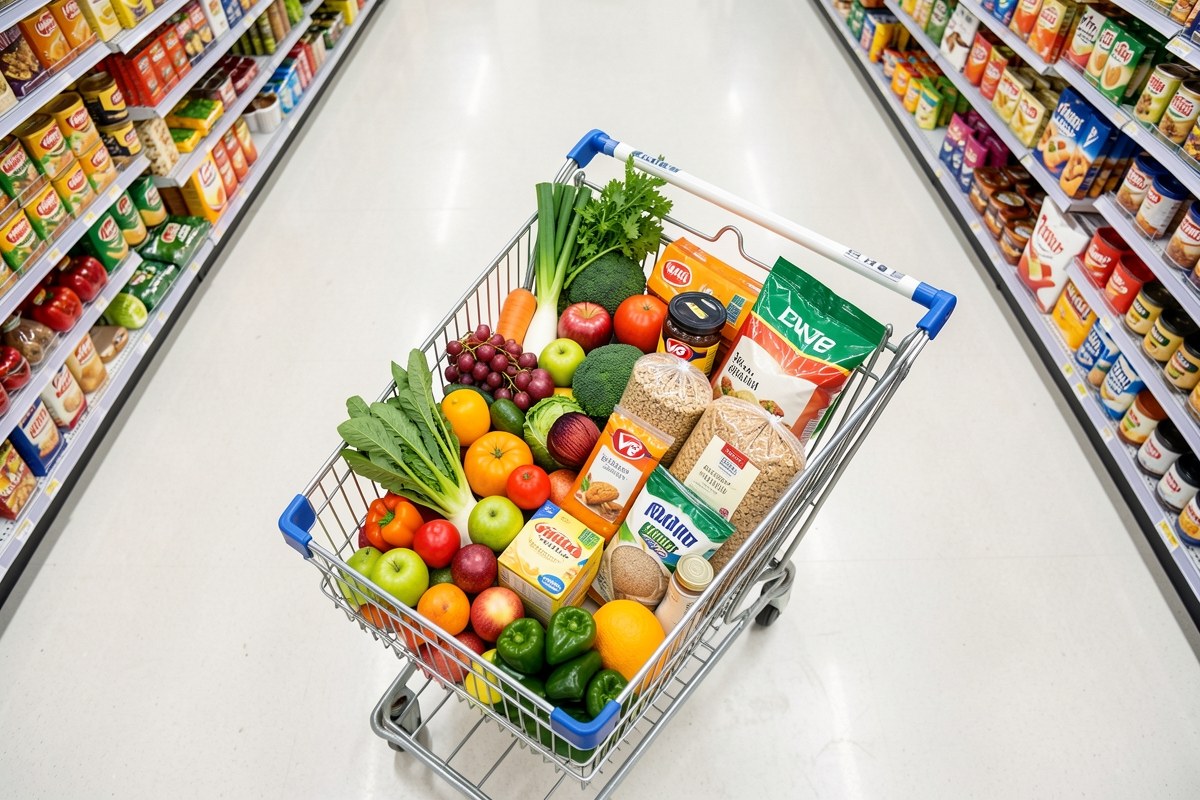
How to plan your shopping trip around your meal plan
The most effective shopping trips begin at home, not in the store. Start by taking inventory of what you already have in your pantry, refrigerator, and freezer. This helps you avoid buying duplicates and sparks ideas for meals using ingredients you already own.
Next, map out your meals for the week, considering busy schedules and family preferences. Before you finalize your list, check store sales through weekly flyers or apps. Planning meals around what’s on sale ensures you get the best value without sacrificing nutrition.
- Check your pantry, refrigerator, and freezer first to see what you already have.
- Sketch out a weekly meal plan that fits your family’s routine.
- Use store flyers or apps to find deals and plan meals around them.
- Write a grocery list based on the meals you’ve planned.
- Consider using a digital list on your phone to stay focused and avoid last-minute additions.
Sources: Chesapeake Regional Healthcare
A master grocery list for healthy family staples
Keep a master list of items you regularly use for healthy family meals. This list serves as a foundation you can adjust each week based on your meal plan and what you already have. A detailed list helps you shop efficiently and ensures you don’t forget essentials.
- Produce: fresh fruits and vegetables, including seasonal options.
- Frozen fruits and vegetables without added sauces, salt, or sugar.
- Protein: lean meats, poultry, fish, eggs, and plant-based proteins like beans and lentils.
- Dairy or alternatives: milk, yogurt, cheese, or fortified plant-based versions.
- Whole grains: brown rice, whole-wheat bread, oats, and quinoa.
- Healthy fats: avocados, nuts, seeds, and olive oil.
- Canned goods: low-sodium beans, tomatoes, and tuna packed in water.
- Herbs and spices to add flavor without extra sodium or sugar.
Sources: Chesapeake Regional Healthcare
Navigating the store: perimeter vs. center aisles explained
Most American grocery stores have a similar layout, with fresh items typically placed around the perimeter and processed goods in the center aisles. Understanding this layout helps you make efficient and healthier choices.
The perimeter usually holds fresh produce, meats, dairy, and bakery items. The center aisles contain canned goods, packaged foods, snacks, and beverages. While not everything in the center is unhealthy—think beans, whole grains, and spices—it’s wise to spend most of your time on the perimeter and be selective in the aisles.
- Perimeter: focus on fresh fruits and vegetables, lean proteins, and dairy.
- Center aisles: choose items like beans, whole grains, and canned vegetables with no added salt.
- Read labels on packaged foods to check for added sugars, sodium, and unhealthy fats.
- Stick to your list to avoid the many tempting options in the center aisles.
Sources: Chesapeake Regional Healthcare
How to read food labels for healthier choices
Nutrition labels are your roadmap to making healthier choices in the grocery store. They provide important information about serving sizes, calories, and nutrients. By comparing labels, you can select products that align with your family’s nutritional goals.
- Start with the serving size and the number of servings per container.
- Check calories per serving, not per package.
- Look at the Percent Daily Value (%DV) to see if a food is high or low in certain nutrients.
- Limit nutrients like saturated fat, sodium, and added sugars.
- Choose foods with higher %DV for dietary fiber, vitamins, and minerals.
Sources: Chesapeake Regional Healthcare
Seasonal and sale items: how to spot the best values
Shopping seasonally is a smart way to save money and enjoy produce at its best. When fruit or vegetables are in season, they are often more plentiful, which typically lowers the price and can improve flavor and nutritional quality. The USDA provides a Seasonal Produce Guide and other helpful resources for meal planning and food shopping.
Store sales offer another opportunity to stretch your grocery budget. By checking the weekly ads, you can plan meals around what’s discounted. Pairing seasonal produce with sale prices allows you to serve healthy, varied meals without overspending.
- Look for in-season produce, which is often cheaper and at peak quality.
- Check store circulars or apps for weekly specials.
- Build your menu around sale items and seasonal produce.
- Stock up on non-perishables when they are on sale, if you have space at home.
Sources: Chesapeake Regional Healthcare, Nutrition.gov (USDA)
Involving the family in smart shopping habits
Getting the whole family involved in grocery shopping can make it a more positive experience and reinforce healthy habits. Kids can help with simple tasks, which also builds their food knowledge and interest in trying new things.
- Let each family member pick a fruit or vegetable to try that week.
- Show children how to read labels and compare products.
- Discuss the difference between occasional treats and everyday foods.
- Work together to stick to the list and keep the trip efficient.
Sources: Chesapeake Regional Healthcare
Frequently asked questions
Should I go grocery shopping on an empty stomach?
It’s a good idea to eat a small meal or snack before shopping. When you’re hungry, everything looks appealing, and you may be more likely to add items that aren’t on your list or choose less nutritious snacks. Shopping with a well-planned list and a satisfied appetite can help you stay focused.
Sources: Chesapeake Regional HealthcareWhat are the best tips for staying on budget while shopping?
Plan your meals in advance, take inventory of what you already have, and make a list before you go. Check store sales and seasonal produce to find the best values. Incorporate affordable protein sources like beans and lentils, which are both budget-friendly and nutritious.
Sources: Chesapeake Regional HealthcareHow can I avoid impulse buys?
Always shop with a grocery list and stick to it. A strategic meal plan is your best defense against impulse buys. Using a digital list on your phone can help you stay focused and avoid adding items on a whim.
Sources: Chesapeake Regional HealthcareSources
- Food Shopping and Meal Planning | Nutrition.gov — Nutrition.gov (USDA)
- Healthy Grocery Shopping on a Budget: A Practical Guide | Chesapeake Regional Healthcare — Chesapeake Regional Healthcare